


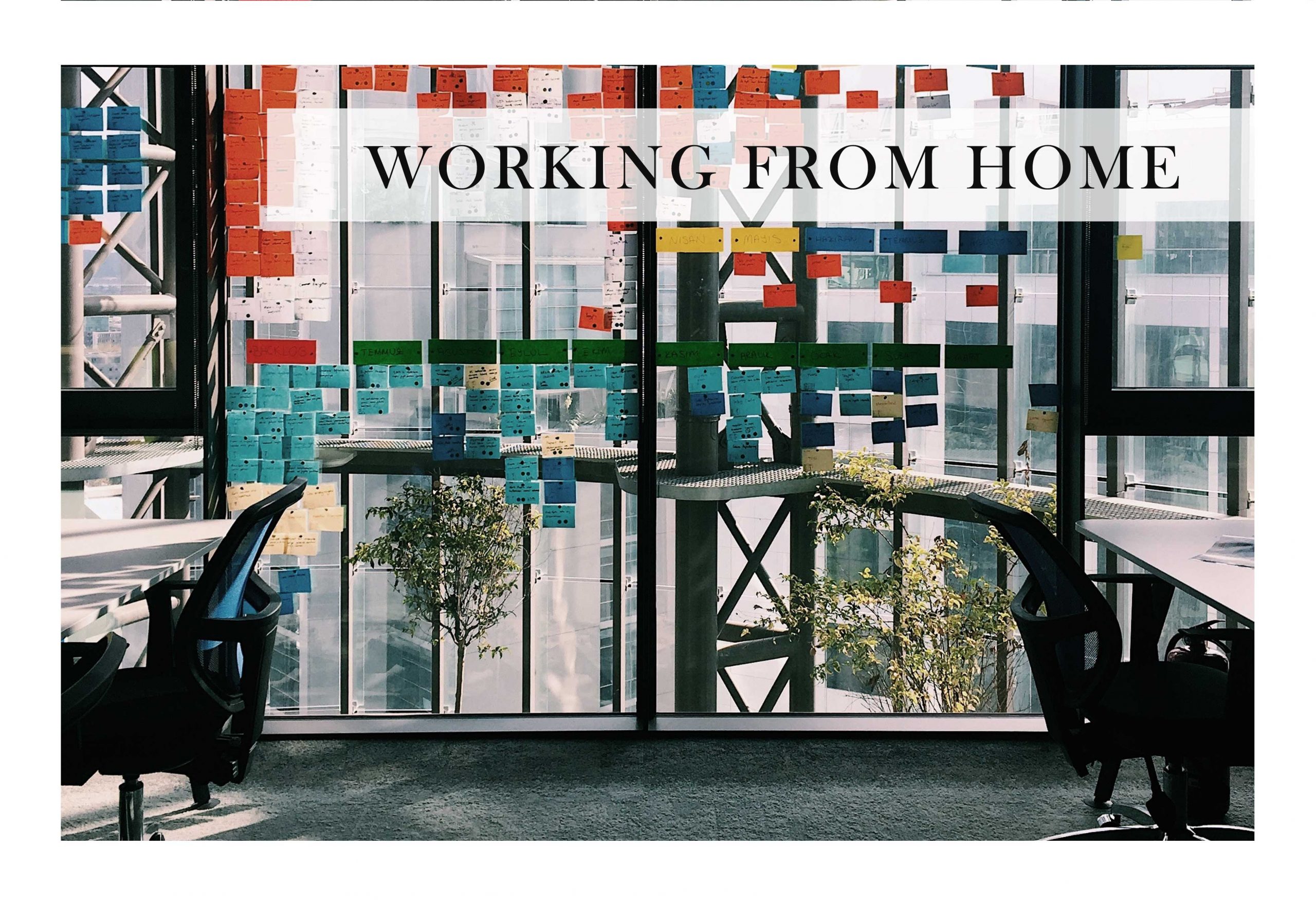
17 Feb Working from home
I have always been fascinated by the performance of various IT teams in the organisation. How can one team, in the same organisation with the same culture, outperform another team. The first thing that comes to mind is the skill and the experience of the team members, while this plays a role, it is not as significant as you may think.
I had a team once made up of trainees and after a month, they were outperforming teams with much more experience and greater domain knowledge. So while skill plays a part, it is not the largest contributor to performance.
So what did I do to create a high performing team of “trainees” that outperformed more experienced and skilled teams?
I took one of the meeting rooms and got the team to sit and work together. They literally set around the same table for the duration of the project. I got the room outfitted with whiteboards all around so we could discuss and iron out issues and leave them on the boards for reference. I then had what I call the development 101 talks with the team and told them what is expected of them. We discussed the entire requirement and fleshed out the design. We allowed for changes in the requirements and adapted or changed the design as required. All this before agile.
What I learned was that the success of the team is dependent on the skill of the people, but more importantly on the communication lines between the people. The more transparent the communication, the more information that is available the better the team performs. The ability to have an informal conversation with others is an important, if not the most important ingredient for the success of the team. Software development, contrary to popular belief, is a social endeavour.
The notion that developers sit in dark rooms banging away at a keyboard and churning out software, is only true for programmers working on personal and individual projects.
Fast forward to the present day where work from home is the norm. Many have argued that peoples productivity has increased. I put a caveat on that and say productivity has increased for tasks or projects involving a single individual. For work that is reliant on a team to complete, productivity has decreased. Work from home has severed the lines of informal communication and is slowly severing the lines of formal communication
When work from home became the norm, people quickly turned to collaboration tools to bridge the communication gap. At first, everyone switched on their cameras, but as time went on people slowly started turning off their cameras. Now, most meetings are audio only meetings.
The lack of visual cues prevent people from connecting and makes interactions cold and impersonal. It leaves the speaker in doubt whether the other person is engaged or even listening. We have been propelled back into the age of telephone conferencing. This lack of connection does not only impact productivity, but also the culture of the organisation.
My fear is that if we are unable to address this, remote working will become another page in the annals of failed experiments.
Mo